
What Makes High-Efficiency Solar Cells Different?
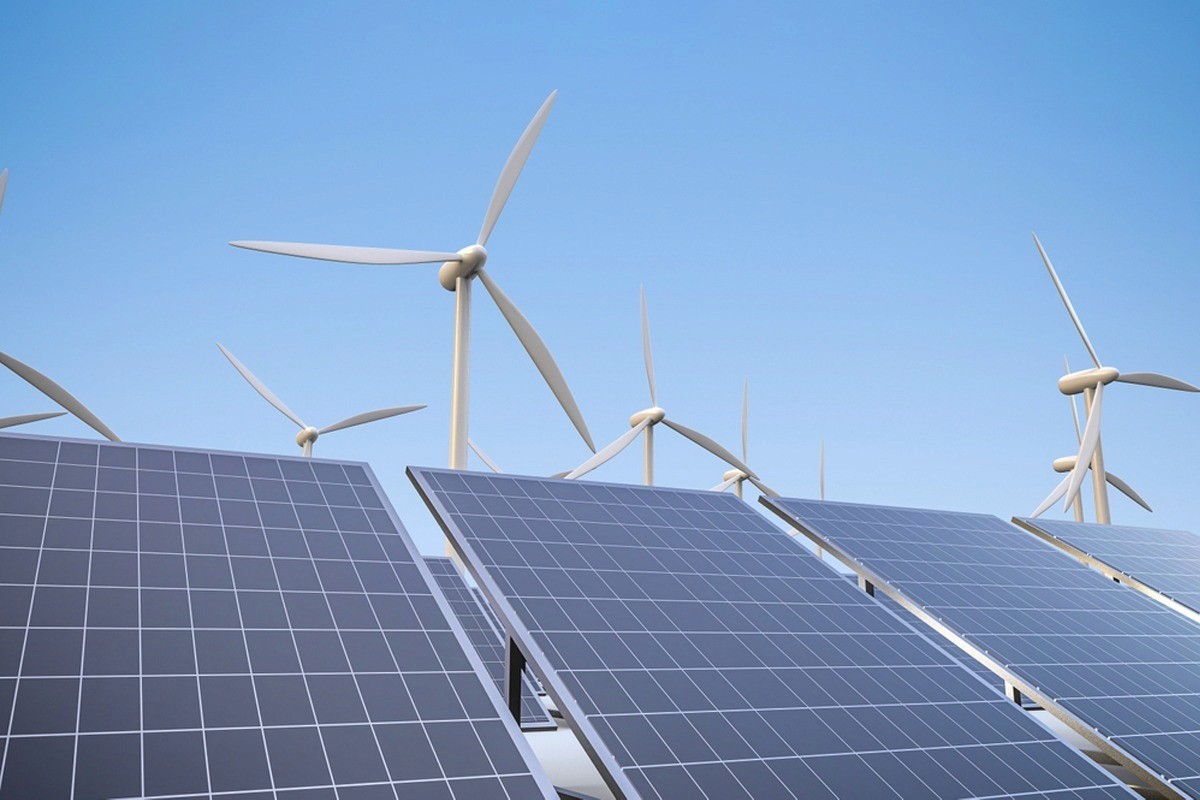
High-efficiency solar cells are designed to convert more sunlight into usable electricity. In a market where space, output, and performance matter, efficiency is one of the most important factors in solar cell manufacturing.
What makes these cells different is the combination of advanced technology, precise engineering, and strict quality control. A high-efficiency solar cell delivers stronger power generation from the same surface area, making it more effective for modern solar applications.
Technology plays a central role. Modern cell architectures such as TOPCon are developed to reduce energy loss and improve performance under real-world conditions. These advancements help solar systems perform better in different environments, including low-light situations.
Quality also matters. High-efficiency solar cells must be manufactured with consistent process control, accurate testing, and reliable material selection. Even small variations can affect output, which is why precision is essential throughout production.
Another key difference is durability. A high-efficiency solar cell should not only perform well on day one but also maintain strong output over time. That is why manufacturers focus on reliability, resistance to degradation, and stable long-term performance.
For businesses and energy developers, the value of high-efficiency solar cells lies in better performance, better space utilization, and stronger return on investment. As the industry evolves, these cells will continue to shape the future of solar power.


